Buying guide · lattes & cappuccinos

The best espresso machine for lattes and milk drinks

If nearly every drink you make has milk in it, the steam side of the machine matters more than the brew side, and the first decision is whether you want to texture the milk yourself or never think about it again.

As an Amazon Associate we earn from qualifying purchases. Links to Amazon on this site are affiliate links — they cost you nothing extra. Read the full disclosure.

There are two completely different products on this page and they both make a cappuccino. One gives you a steam wand and expects you to learn to texture milk, which takes a few weeks and then produces café-quality microfoam you can pour art with. The other takes a carafe of cold milk, does the whole thing at one button press, and never gets any better than it was on day one.

Neither is the correct answer. The question is whether making the coffee is part of the pleasure or an obstacle between you and the coffee, and people are usually very clear about which camp they are in once the question is put that way.

What both camps should care about is cleaning. Milk protein in a warm tube is the fastest way to ruin a machine and the cup that comes out of it, so how easily the milk path comes apart is a spec worth more than most of the numbers on the box.

The picks

Three different answers, depending on who is making the coffee

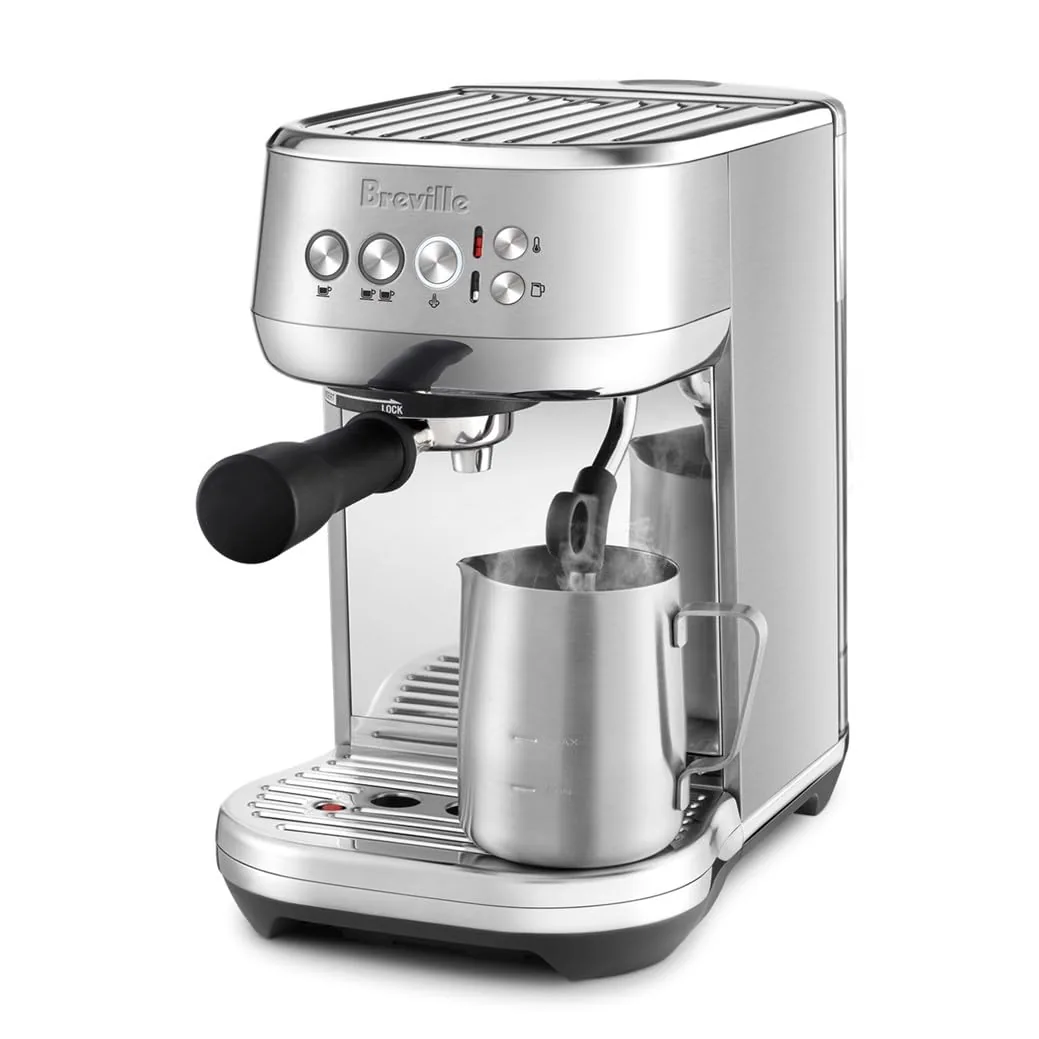
Breville Bambino Plus semi-automatic espresso machine brushed stainless steel
01 · Best for latte art

Breville Bambino Plus

4.1(2,408) 7.5/10

The automatic wand hits a set temperature and texture on its own, which gets you a genuinely pourable microfoam from the first week, and you can switch it to manual once your ear catches up. That combination is rare: most machines make you choose between a wand that does it for you and a wand you can learn on. Budget for a grinder, because there is not one in the box.

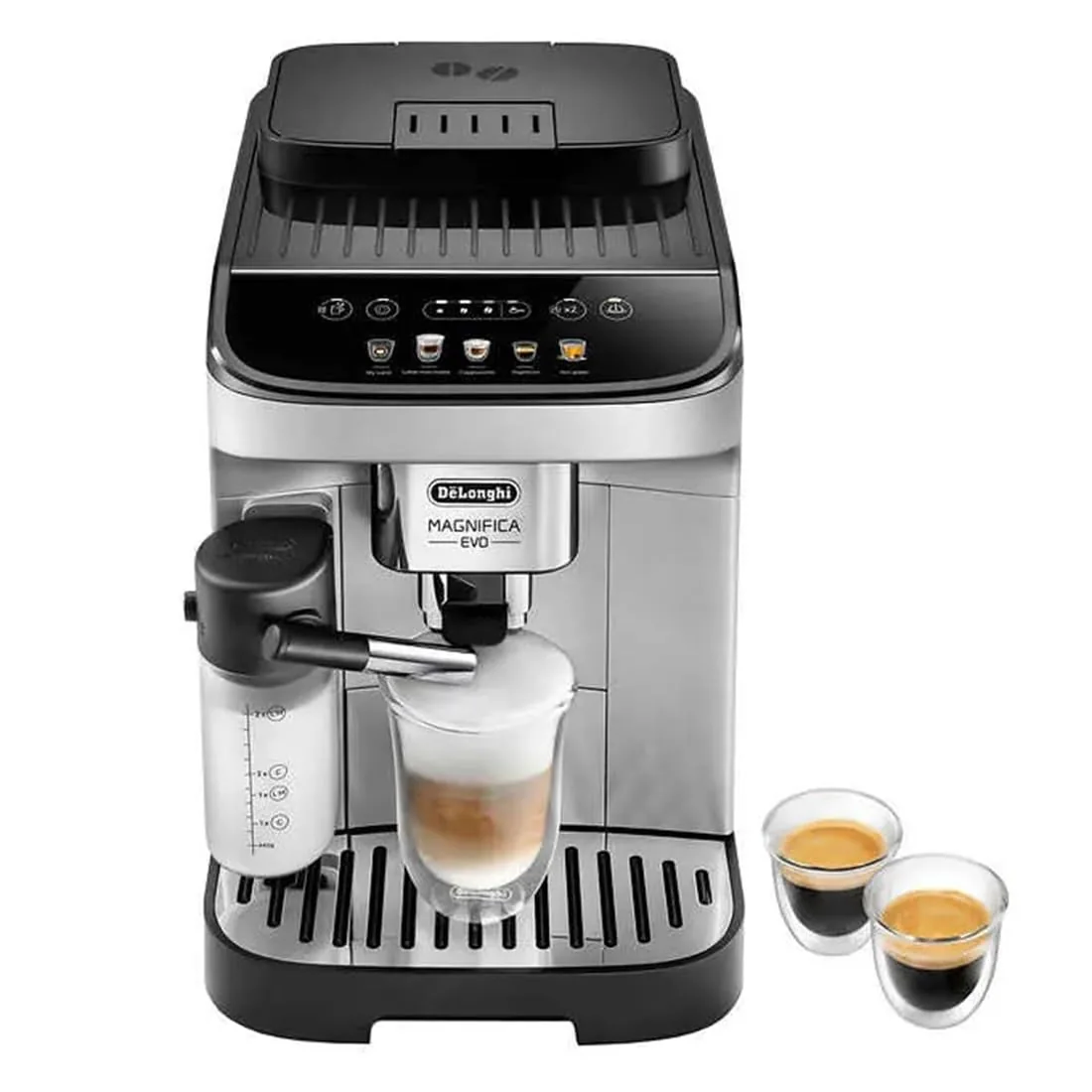
De'Longhi Magnifica Evo super-automatic espresso machine plastic with stainless accents with built-in grinder
02 · Best one-touch cappuccino

De'Longhi Magnifica Evo

4.0(72) 6.7/10

The LatteCrema carafe makes a genuinely good milk drink at one press and then detaches and goes in the fridge with the milk still inside, which is the part that decides whether an automatic milk system gets cleaned or gets neglected. For a household that drinks milky coffee on weekday mornings and has no interest in technique, this is the machine.

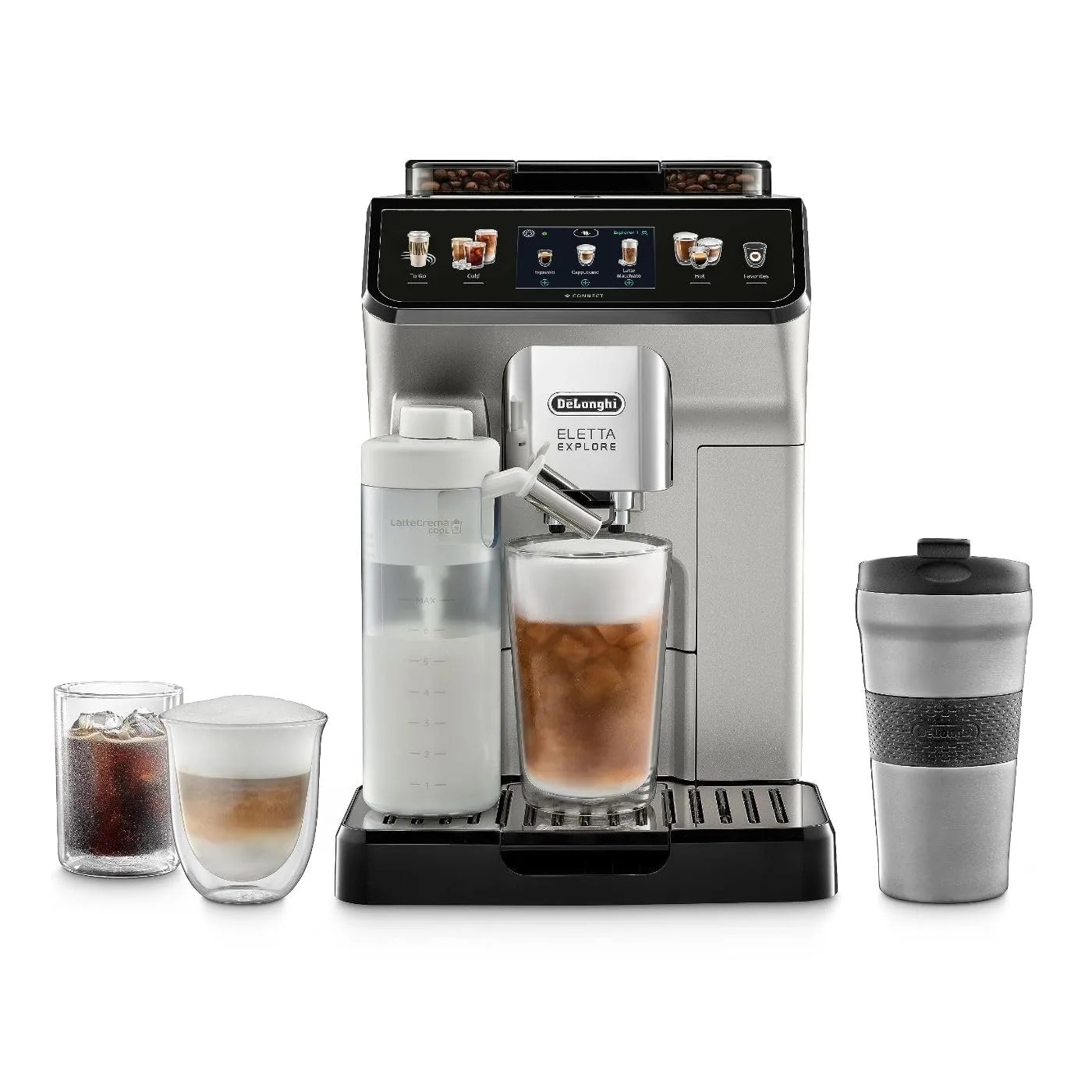
De'Longhi Eletta Explore super-automatic espresso machine stainless steel and plastic with built-in grinder
03 · Best for a houseful

De'Longhi Eletta Explore

4.2(406) 6.5/10

Two separate carafes, one for hot milk and one for cold, and a menu of one-touch drinks long enough that nobody has to learn anything to get what they want. It is the most machine here and the most to clean, and it earns that if your kitchen produces four different coffee orders before nine in the morning.

The shortlist

Every machine we have reviewed that belongs here

Ranked for this guide: milk and steam performance carries triple weight, then how much work the machine asks of you, then the shot underneath. The editor score is the site-wide weighted score, the same one on every review.
#MachineMilkEaseEditor
01 Breville Bambino Plus Semi-Automatic 99 7.5
02 Breville Dual Boiler BES920XL Semi-Automatic 96 7.9
03 Jura E8 Super-Automatic 89 6.9
04 De'Longhi Magnifica Evo Super-Automatic 89 6.7
05 De'Longhi Eletta Explore Super-Automatic 89 6.5
06 Breville Barista Express Impress Semi-Automatic 78 7.7
Put these side by side

How to choose

What decides whether your milk is any good

Automatic wand, manual wand, or carafe

A manual wand gives you the highest ceiling and a learning curve measured in weeks. An automatic wand texturing to a set temperature gets you most of the way there immediately, and some can be switched to manual later, which is the best of both. A carafe system pulls milk through a tube and delivers a finished drink: the lowest effort, the lowest ceiling, and the most cleaning discipline required.

Steam power is why café milk feels different

Home machines with a single boiler share heat between brewing and steaming, so the steam is softer and texturing takes longer, which gives bubbles time to form. A dedicated steam boiler or a machine that heats fast enough to switch without waiting is what produces that dense, glossy microfoam. It is also the main thing you pay for as you go up in price.

The milk path is the maintenance

Count the parts. A two-piece carafe that goes in the dishwasher gets rinsed every day; a system with internal tubes and a cleaning cycle gets skipped, and skipped milk systems turn sour and eventually block. If you are choosing between two automatic machines, pick the one whose milk path comes apart in your hand in under a minute.

Milk temperature is where home drinks go wrong

Overheated milk tastes thin and faintly of cardboard because the sugars break down, and most beginners overheat by a wide margin. Anything that ends texturing at a set temperature, automatically, fixes the single most common fault in home milk drinks. If you are texturing manually, a cheap stick-on thermometer teaches you the feel faster than anything else.

Match the pitcher to the drink

A pitcher much larger than the drink gives you a pool of foam you cannot control, and one too small overflows while you are still stretching. One pitcher sized for your usual cup will improve your milk more than the next machine up will, and it costs almost nothing.
If you drink your espresso black

Then this ranking is actively misleading for you, because it weights the milk system at three times the shot. Read the guide for learning properly, where the weighting is the other way round and the machines that win are the ones with the most control over extraction.

FAQ

Common questions

Can I make real latte art on a home machine?
Yes, with a manual or switchable wand, a pitcher sized for your cup, and a few weeks of practice. What you cannot easily do is pour art with milk textured by an automatic carafe system: it produces foam for drinking rather than the dense microfoam that pours patterns.
Is a milk carafe better than a steam wand?
It is easier, not better. A carafe delivers a consistent, decent drink at one press forever. A wand can produce a better drink than any carafe and can also produce a much worse one while you are learning. Choose based on whether you want the skill.
Does oat milk work in these machines?
Barista-formulated oat milk textures well in both wands and carafes because it is designed with extra protein and fat for exactly this. Standard oat milk foams thinly and collapses fast, and it can also split against very hot espresso. The word barista on the carton is doing real work.
How often do I have to clean the milk system?
Rinse after every session, without exception, whether it is a wand you wipe and purge or a carafe you take off. Deep clean weekly. Milk residue in a warm machine is the fastest path to both bad-tasting drinks and an expensive repair.
Do I need a dual boiler for milk drinks?
Not for one or two drinks. A single boiler machine simply needs a moment between brewing and steaming. A dual boiler earns its place when you are making several milk drinks back to back and you do not want to wait between them, which is a hosting problem more than a coffee problem.