Price the grinder into the machine
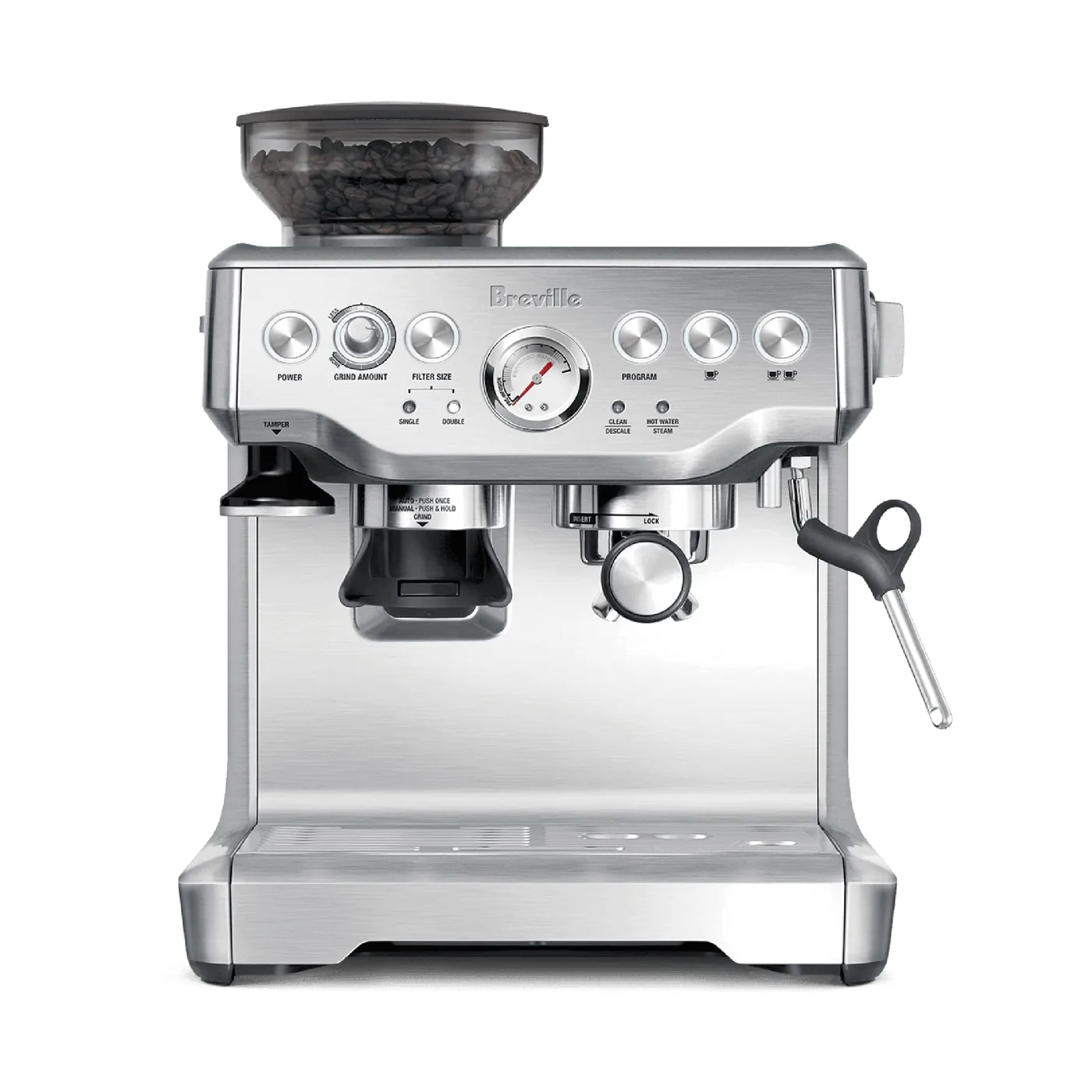
Before comparing two machines, add the cost of the grinder each one needs. A machine with a decent built-in burr grinder is competing not with the sticker price of a grinderless machine but with that machine plus a real grinder, and a blade grinder does not count: it produces a mix of dust and boulders that will make any espresso machine taste bad. This single adjustment changes the answer for most budget shoppers.
Temperature stability is the cheapest real upgrade
Below a certain price most machines use a simple thermostat that overshoots and undershoots, which is why the same beans and the same grind produce a sour shot one morning and a bitter one the next. PID control keeps the brew temperature in a narrow band, and a budget machine that has it will beat a pricier one that does not, for the thing you actually notice in the cup.
Beware the pressurised basket as a permanent feature
Cheap machines lean on dual-wall baskets that manufacture crema regardless of your grind. Helpful at the start, a ceiling forever. Check whether the machine accepts a standard single-wall basket, because that is the difference between a machine you outgrow in three months and one you can keep improving on.
Plastic is fine; plastic where it gets hot is not
A plastic housing on a budget machine is a sensible cost saving. A plastic portafilter, a plastic group head or a plastic steam wand is where cheap machines actually fail, because those parts cycle between hot and cold every day. If you can only check one material on the spec sheet, check the portafilter.
Buying twice is the expensive outcome
The most common budget mistake is not overspending, it is buying something that cannot make the drink you wanted and replacing it within a year. If the honest budget cannot reach a machine that makes espresso you will enjoy, a good manual brewer plus a decent grinder produces genuinely excellent coffee for less, and the grinder carries over when you do buy an espresso machine.